
 UK
 Europe
 Netherlands
Specialist Materials Sourcing and Supply Chain Support
When a supplier can no longer provide a specialist material, finding an alternative isn't always straightforward. Purity levels, chemical composition, material form and application requirements can all limit the available options, while export controls and customs requirements may add further complications.
For businesses sourcing high-purity materials, metals, alloys and compounds, identifying a potential alternative is only the first step. The material must also meet the technical requirements of the intended application.
Established in 1978, Testbourne supplies high-purity materials, metals, alloys, compounds and sputtering targets to customers worldwide. Our industry experience and supplier relationships help customers meet sourcing requirements and adapt to changing supply conditions.
Alternative Sourcing for Specialist Materials
When an established supplier can no longer meet demand, finding another source can be difficult, particularly when a material needs to meet specific purity levels, have a particular composition or be supplied in a particular form.
Testbourne can discuss your material specification and investigate potential sourcing options when availability changes. This includes materials affected by export restrictions and other changes to international trade.
If you are struggling to source a particular material, our team can discuss your specification and investigate the options available.
An Established Network of Suppliers and Distributors
Testbourne has more than 40 years of experience in the specialist materials industry. Over that time, the business has developed relationships with suppliers and manufacturing partners, alongside a network of distributors serving customers in selected markets.
These relationships support Testbourne’s international supply arrangements and its work with customers across different regions. Our knowledge of specialist materials helps us understand the requirements that need to be considered when sourcing products for research and industrial applications.
How Testbourne Can Help Investigate Sourcing Options
When discussing a sourcing requirement, we can consider the material specification, required form, quantity and delivery destination to understand what you need. Based on these details, we can investigate potential options and discuss their suitability and availability.
The options available will depend on the material, its technical requirements and current supply conditions. Where an alternative source is identified, its suitability should be assessed against the requirements of the intended application.
To help us understand your needs, it's useful to provide:
- The material name, grade or chemical composition.
- The required purity and any relevant technical specifications.
- The preferred material form and dimensions.
- The quantity required and anticipated order frequency.
- Your delivery destination and any applicable deadlines.
- Any specific quality documentation or compliance requirements.
Providing this information at the outset gives the team a clearer understanding of your requirements and the options that may be worth investigating.
International Delivery and Regional Support
Testbourne has offices in Basingstoke, UK, and Helmond, the Netherlands, supporting its work with customers across international markets.
Testbourne supplies specialist materials to customers worldwide through its international distribution network. Orders are shipped through logistics partners, with secure packaging for high-purity and fragile materials. Customers can track shipments and receive dispatch updates.
Testbourne also provides customs handling to help minimise delays and support the movement of materials across borders.
Customs and Changing Trade Requirements
Export controls and changing trade regulations can affect the availability and movement of specialist materials between countries. Requirements vary according to the material and the markets involved, potentially affecting which products can be sourced and how they can be supplied.
Testbourne’s experience in international material supply helps customers discuss sourcing options when trade restrictions affect availability. If you are concerned about a particular material or market, contact our team to discuss your requirements.
When Material Availability Changes, What Are Your Options?
Material availability can change for several reasons, from supplier production constraints to shifts in demand and international trade requirements. When this happens, businesses may need to reassess their purchasing arrangements rather than rely entirely on an established source.
Depending on the material and application, possible approaches may include investigating alternative suppliers, reviewing acceptable material forms or quantities, or planning future requirements further ahead.
Any proposed change should be evaluated against the technical and commercial requirements of the application. A lower-cost or more readily available material isn't necessarily a suitable replacement if it fails to meet the required specification.
For some businesses, material recovery may also be worth considering where suitable materials are already in use. Testbourne offers a dedicated metal refining service for eligible materials, providing another option to explore where applicable.
Material Refining and Recovery
For suitable materials, refining can provide an opportunity to recover value from material already in use. Testbourne offers a dedicated refining service for eligible metals and materials.
Find out more about our metal refining service.
Discuss Your Material Sourcing Requirements
If an existing supplier can no longer meet your needs, you are looking for an alternative source or you need to arrange international delivery, Testbourne can discuss the options available.
See our consultation process or contact us directly to discuss your requirements
Frequently Asked Questions About Specialist Materials Sourcing
1. What is specialist materials sourcing?
Specialist materials sourcing is the process of finding materials that meet specific requirements for composition, purity, grade or format. These might include metals, alloys, compounds and sputtering targets used in research and industrial applications.
2. What should I do if my usual supplier can no longer provide a material?
Start by checking the specification of the material you need, including its grade, purity and required quantity. You can then contact a specialist supplier such as Testbourne to discuss availability and investigate potential alternative sources.
3. Can I source specialist materials from international suppliers?
Yes. International suppliers can offer access to a wider range of materials, although availability, export restrictions and customs requirements may vary between countries. It's worth checking these details early to understand what can be supplied and what arrangements may be needed for delivery.
4. How can export restrictions affect specialist materials sourcing?
Export restrictions can limit the supply of certain materials to countries or customers. Changes to trade regulations may also affect documentation and shipping arrangements. If you're having difficulty sourcing a material, it's worth discussing your requirements with your supplier to understand the options available.
5. What information do I need to provide when enquiring about a specialist material?
Providing as much detail as possible helps your supplier understand what you need. Include the material name, specification, purity, required form, quantity and delivery destination. If you're replacing an existing supply source, details of your current requirements can help the supplier investigate suitable alternatives.
Related
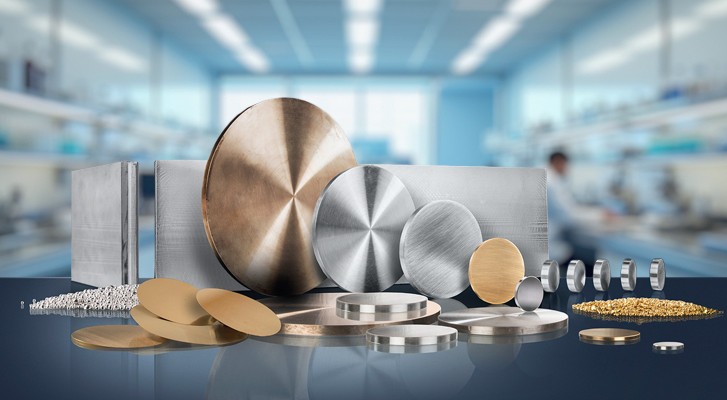
How Universities and Research Laboratories Source Specialist Materials for PVD Applications
01 Sep 2026Universities and research laboratories often require specialist materials manufactured to precise specifications. Explore how material selection, technical requirements and supplier expertise influence the sourcing process.
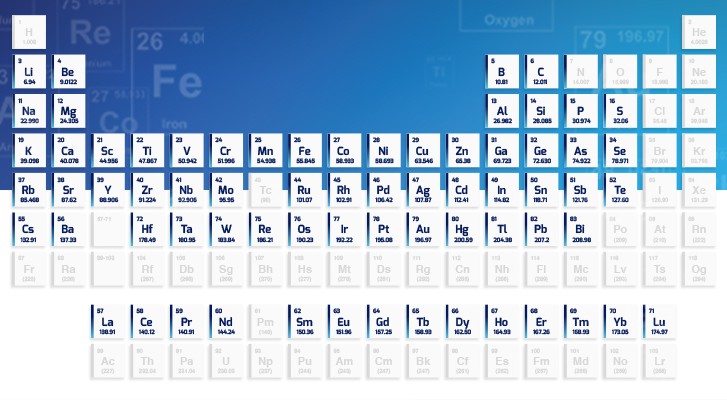
How to Source High Purity Materials with Testbourne
26 Aug 2025Quickly find high-purity materials by element with Testbourne’s interactive periodic table. Explore forms, specs and get expert support.